

About the podcast
This edition of ThePTN podcast takes us through both the ‘big C and little c’ of the primary survey: catastrophic haemorrhage and other haemorrhage. Tim is again joined by Ash Lowther, one of the senior Advance Clinical Practitioners working at the MTC who reflects on her previous deployments with the RAF.
Key points include how we identifying those patients who are bleeding even if they have ‘good numbers’ and don’t fit the textbook example of a shocked patient. Conversation then moves onto how we control bleeding and how we return the patient’s circulating volume to give them the best outcome long-term, rather than just getting them through their time in the ED.
With a topic this large, there is a lot of overlap with other podcasts and videocasts and we encourage you to make use of these to put all of this into context. In particular those on chest trauma, pelvic trauma and interventional radiology (video).
Check the show notes for the learning areas for the level 1 and 2 Major Trauma Nursing competencies covered in this podcast, along with other useful resources and recommended podcasts.
Haemorrhage control – ThePTN podcast
Learning areas in this podcast:
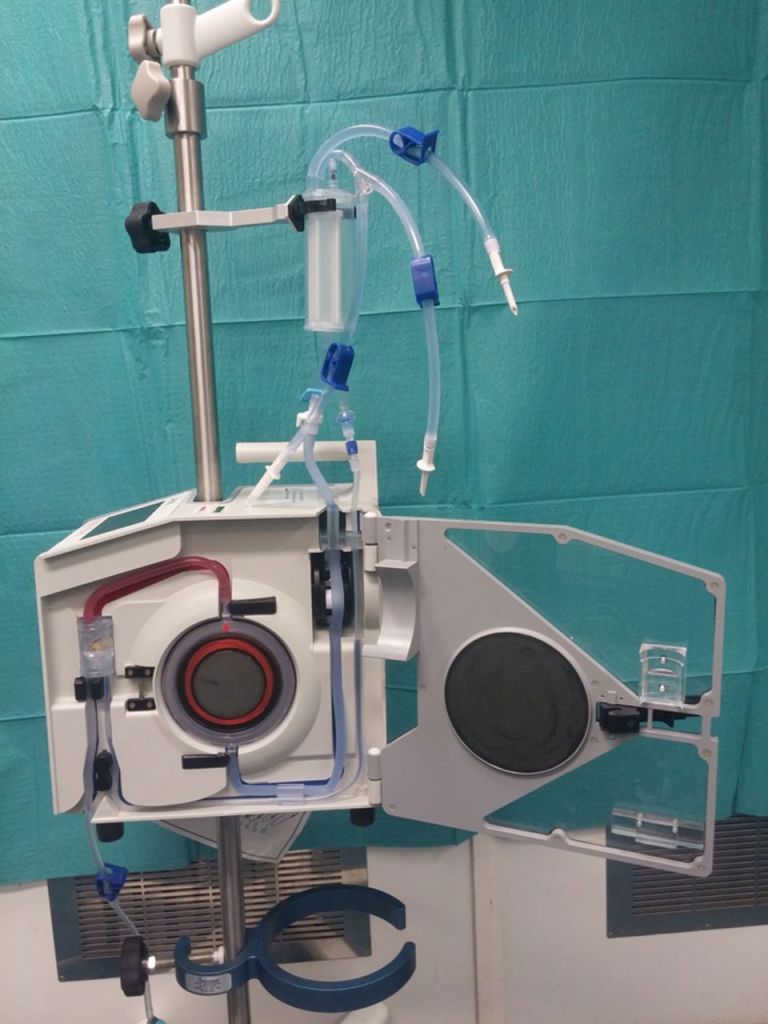
- The use and application of: haemostatic agents, trauma torniquets, pelvic binder, femoral splints
- Knowledge of the anatomy and physiology of the circulatory system
- The principles of circulatory assessment including the importance of: capillary refill, manual pulse identification; application of monitoring to assist assessment and interpretation of the results in the context of trauma
- Can describe and recognise the clinical signs of shock in the context of trauma
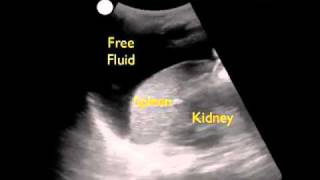
- Understands the basic principles of eFAST in circulatory assessment
- Has a basic understanding of the five principal sites of traumatic haemorrhage
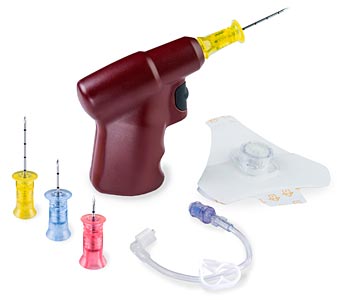
- Understands the different methods of access: IV, IO, central venous/trauma line
- Knowledge of the different types of fluid available and which are appropriate in trauma
- Immediate management of catastrophic haemorrhage: Understands why Tranexamic Acid is given to trauma patients and how it is administered (according to guidelines)
- Understands the indications and contraindication for urinary catheterisation in a trauma patient
- Understands the principles of urine output measurement in relation to shock and resuscitation
- Has an awareness of the basic principles of damage control surgery (DCS) and interventional radiology (IR)
Links:
Peninsula Trauma Network (PTN) Major Trauma Network guidance, Standard Operating Procedures (SOPs) here.
Peninsula Trauma Network (PTN) Massive Haemorrhage SOP download here (via PTN website).
Roberts I, Shakur H, Coats T, Hunt B, Balogun E, Barnetson L, Cook L, Kawahara T, Perel P, Prieto-Merino D, Ramos M, Cairns J, Guerriero C. The CRASH-2 trial: a randomised controlled trial and economic evaluation of the effects of tranexamic acid on death, vascular occlusive events and transfusion requirement in bleeding trauma patients. Health Technol Assess. 2013 Mar;17(10):1-79. doi: 10.3310/hta17100. PMID: 23477634; PMCID: PMC4780956. Available on Pubmed here.
Royal London Code Red Transform Trauma video here.
ThePTN podcast on pelvic trauma here.
ThePTN podcast on chest trauma here.
ThePTN videocast on interventional radiology here.
 THE PTN