About the podcast
Dr Matt Warner, consultant in Emergency Medicine and Medical Director of the British Antarctic Survey Medical Unit again joins the podcast to cover specific considerations in managing bariatric trauma patients.
Obesity is rising in the UK which means we all will likely be faced with more bariatric trauma patients in the future. Though care follows the same rules as with all patients, there are important considerations we need to appreciate in this cohort. Chiefly those are: physiology, pharmacology and how comorbidities impacts on both of these.
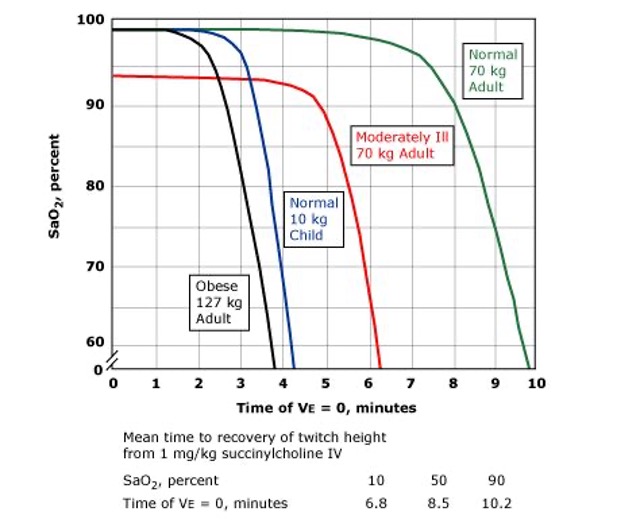
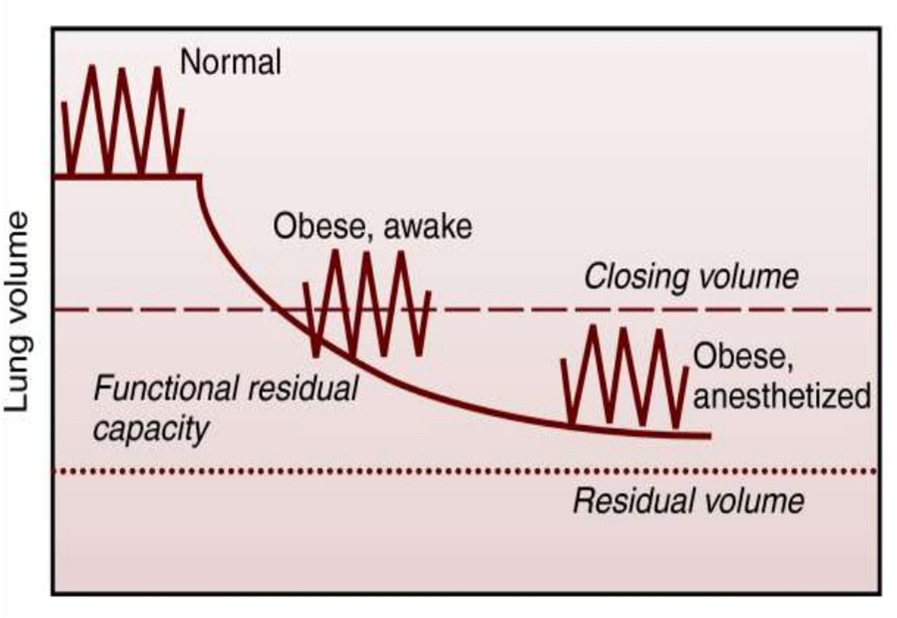
We cover the alterations to cardiovascular and respiratory physiology these patients have and how our interventions may need to adapt to overcome this. Matt then touches on the pharmacodynamics of commonly used drugs but still reminds us that you need to treat the patient in front of you i.e. a patient’s physiology and haemodynamic status should probably be the main driver in your interactions and you should anticipate this, rather than try and fix it!
It is also important to consider the logistics that may be required i.e. maximal load of beds/trolleys. These are all things that can be anticipated but can lead to significant delays if missed and ultimately, impact patient care.
Along with frailty and pregnancy, the bariatric trauma patient joins our ‘special considerations’ group. A lot of complex interactions to consider in this group and sadly. We’ve included a link to the Society for Obesity and Bariatric Anaesthesia (SOBAUK). We’re very grateful for Matt in sharing his expertise in this area. You will also need to ensure your moving and handling training is up to date to cover this learning area.
Bariatric Patient – ThePTN podcast
Learning areas in this podcast:
- Outline key considerations in the care of bariatric patients and the effect on airway anatomy & patency, breathing and circulation
- Identify the maximum load of the trauma trolley
Links:
Society for Obesity and Bariatric Anaesthesia (SOBAUK) homepage here. (accessed 20/2/23)
 THE PTN